
We as humans desire well-being. For those with lived experience of mental health symptoms, we are seeking not just the absence of negative symptoms, but we are seeking to achieve a state of optimal functioning where we feel whole, where there is peace and a sense of joy, authenticity, resiliency and purpose. But how do we get there? Chronic stress is a barrier for many. When we are over-stressed and do not feel “safe” there are many downstream, negative consequences that occur, especially if stress is prolonged.
Stress activates our “fight or flight” sympathetic nervous system and causes the release of Epinephrine and Norepinephrine. Specifically, these responses are directed by the Hypothalamic-Pituitary-Adrenal (HPA) axis in the brain, which also causes a release in Cortisol – known as the “stress hormone”. In the short-term this stress response causes an elevated heart rate, the breakdown of fat and increased glucose (blood sugar) levels. Over time if the stress response system is over-activated, there is increased inflammation in the body, including the brain, with subsequent decreased neuroplasticity in the brain1, and a weakened immune system. Elevated blood pressure known as hypertension can also develop with chronic stress in some genetically vulnerable individuals. Other consequences downstream include obesity, diabetes, heart disease, strokes, arthritis2. Although this fight-or-flight response can be useful if someone is in a dangerous situation, what happens to many of us is that there is a misalignment in how our minds perceive threats i.e. lack of safety and the actual risk. Even if for a while we were in a state of elevated threat and our fight-or-flight response was appropriate, as more time passes and the threat subsides, it can be hard for some to get back to baseline. Maybe for some of us with severe trauma and/or a long history of mental illness, it can be hard to recall when was the last time you felt well.
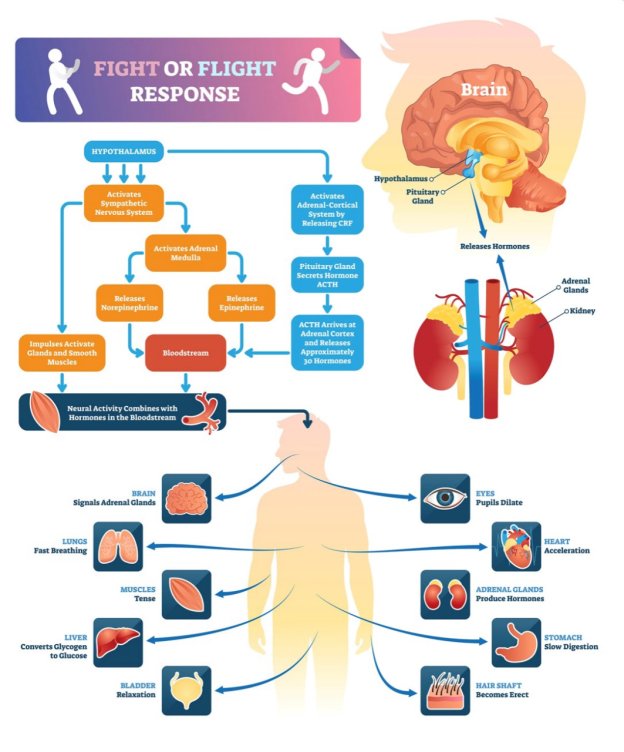 Figure 1 – Fight or Flight Response. Guy-Evans, O. Fight, Flight, Freeze of Fawn: How We Respond to Threats. Simply Psychology. https://www.simplypsychology.org/fight-flight-freeze-fawn.html. Updated on November 9, 2023. Accessed on December 9th, 2023.
From a biological perspective, there actually is a direct counterpart to the stress response system of our body – the Parasympathetic Nervous system. There are dynamic interactions happening in our bodies where the Sympathetic Nervous system and the Parasympathetic Nervous system are counterbalancing each other – sometimes one system is more active than the other and at any given point in time this depends on a variety of factors. When the Parasympathetic Nervous system is activated, it causes a decrease in heart rate, an increase in respiratory sinus arrhythmia (aka heart rate varies and is in synchrony with your breathing), a decrease in blood pressure, an increase in digestive processes, and allows for an increase in sexual arousal3. The vagus nerve comprises 75% of the parasympathetic nervous system and connects our brain to our heart, lungs, gut, and other internal organs.
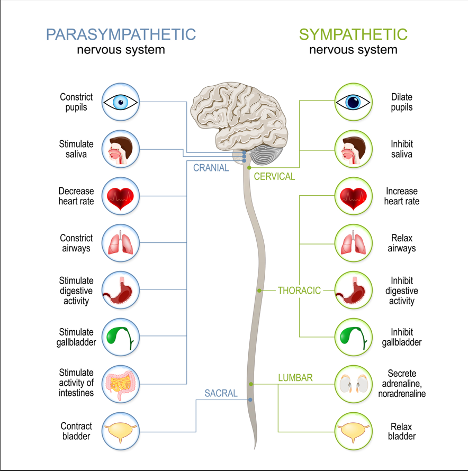 Figure 2. Sympathetic vs. Parasympathetic Nervous System Function
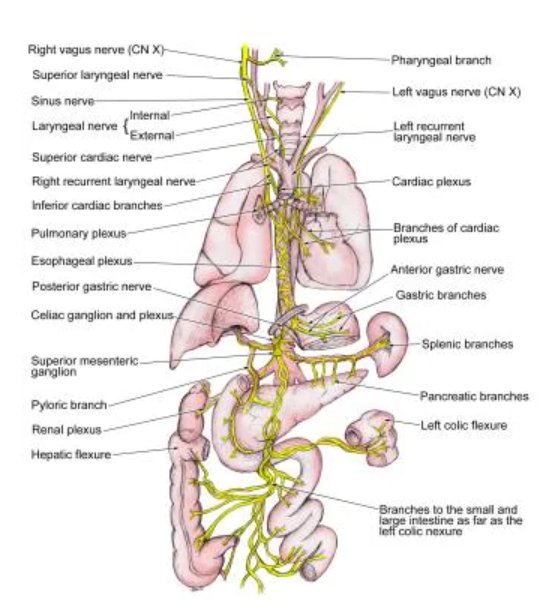 Figure 3. Diagram of the Vagus Nerve demonstrating the different branches. Medscape. https://emedicine.medscape.com/article/1875813-overview?form=fpf . Published December 8, 2017. Accessed December 12th, 2023.
Vagus in Latin means “the wanderer” and this is a good name for the Vagus nerve because the Vagus nerve is the 10th and longest cranial nerve that starts at the brain stem and makes its long journey to the neck, chest and abdomen. The vagus nerve does many things on its wandering journey. For one, the vagus nerve regulates heart rate and blood pressure (slows heart rate, lowers blood pressure); also regulates breathing as well as coughing and swallowing. The vagus nerve also includes the outgoing motor fibers of the GI tract that are responsible for digestion of food as well as vomiting. In fact, the vagus nerve is the gut-brain axis, as it sends signals back and forth from the gut to the brain4. The gut-brain axis itself helps modulate the sympathetic and parasympathetic nervous systems. The vagus nerve even has influences on the endocrine system, as signals for production of certain hormones for stress, mood and hunger are sent through the gut-brain axis5. Finally, via the gut-brain axis the vagus nerve modulates the immune system6.
The overall balance between these two systems differs from person to person. If someone is chronically stressed and has over-activation of the stress response system, they are said to have higher Sympathetic Tone. If someone at baseline has good regulation of stress with higher activation of the Parasympathetic Nervous system, then they have higher Vagal tone. Someone with higher vagal tone is better able to regulate their responses when they encounter stress7 and therefore is better able to mitigate the potential negative outcomes of prolonged exposure to real-world stress.
Fight-or-flight is a primitive, ancient, evolutionary response to danger and the Parasympathetic nervous system is a response to the perception of safety which also formed during evolution but is more recent in development. We need to change the word “perception” though to “neuroception” – because our brain is always assessing our environment for threats to safety and many of these threat assessments occur below the conscious level8. Speaking of this evolutionary development leads us to learn about Polyvagal Theory.
Polyvagal theory, developed by Peter Porges, provides a scientific explanation for how there are neurobiological substrates for feelings of safety – there are in fact neural circuits in the brain that downregulate threat reactions to communicate cues of safety – which means there is an objective science behind what we perceive as safety. These same neural circuits that downregulate threat reactions also then enable homeostasis and contribute to our ability to be social with other human beings. To translate this into layman’s terms – Doesn’t it make sense that when we feel safe we are better able to then connect with others? Let’s learn more about the biology behind this.
Our parasympathetic nervous system, a branch of the peripheral nervous system (meaning it is outside of the brain and spinal cord) is sensitive to incoming afferent (sensory) information and is also influenced by the central nervous system (brain and spinal cord). Polyvagal theory traces the development of the vagus nerve (the main nerve of the parasympathetic nervous system that regulates many internal organs, including the heart) to argue that there was a shift between reptiles and mammals in the development of the neural circuity that regulates the vagus nerve. Specifically, the part in the brain that sends outgoing impulses to the vagus nerve shifted from a part of the brain that is not connected to our social-engagement system (reptiles) to one that is (mammals). The social communication system includes the muscles that control our face and head but also involves the myelinated vagus which results in calm behavioral states by inhibiting sympathetic influences to the heart and dampening the Hypothalamic-Pituitary-Adrenal (HPA) axis9.
What caused confusion in the past though is that vagal tone is not always a good thing. For e.g. a newborn baby with high vagal tone resulting in depressed breathing and a lower heart rate can die. How can vagal mechanisms be responsible for both protective and potentially lethal outcomes? This inconsistency became the “vagal paradox”10 and served as the motivation behind polyvagal theory.
It turns out that there are 2 branches of the vagus nerve with each branch supporting different adaptive functions. Polyvagal theory explains that there are actually 3 autonomic subsystems (meaning, outside of conscious control) – these subsystems developed at different points in evolution. The myelinated vagus nerve is the subsystem we are most interested in – as it counters the Stress Response System. The Sympathetic Nervous system is the subsystem responsible for “fight or flight”. The unmyelinated vagus nerve is our “Immobilization” subsystem and is the most primitive – this is a response to danger whereby one feigns death, shuts down behaviorally, or passes out.
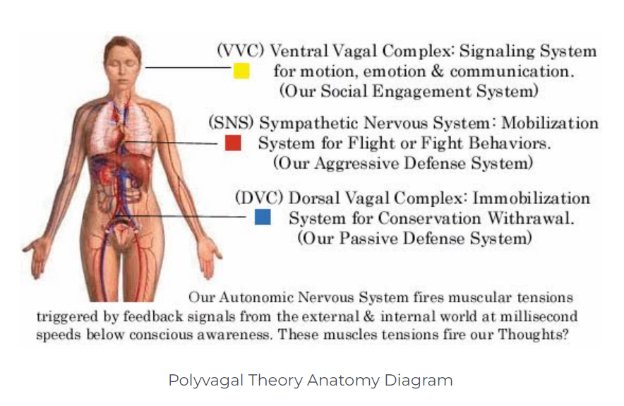 Figure 4. Polyvagal Theory Anatomy Diagram. Porges, S. Polyvagal Theory. https://attachmentdisorderhealing.com/porges-polyvagal/ . Published 1994. Accessed December 9th, 2023.
The way these 3 subsystems work together is that normally the more recently developed subsystem (aka the myelinated vagus nerve connected to our social engagement system) is active and inhibits the older, more primitive subsystems of “fight or flight” and “immobilization”. However, sometimes the older subsystems are able to rise to activity because they are not being inhibited. When there is a perception of safety though, the more adaptive branch of our Parasympathetic Nervous system should predominate.
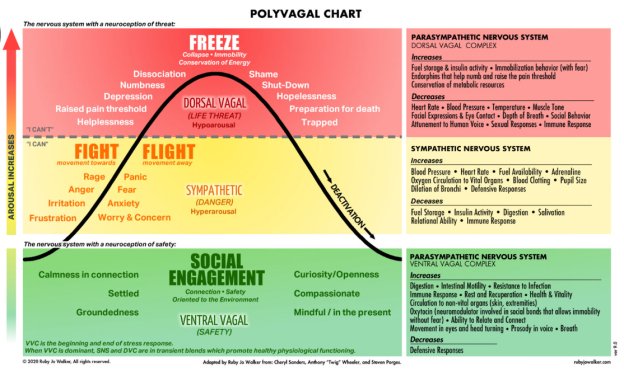 Figure 5. Polyvagal Chart. Walker, R. Accessed via https://themovementparadigm.com/how-to-map-your-own-nervous-sytem-the-polyvagal-theory/. Published 2020. Accessed December 10th, 2023.
One important question to ask is how do we objectively measure vagal tone? Vagal tone can be measured by looking at heart rate variability (HRV)11. Heart rate variability is the measurement of the amount of time between heart beats, which is really an indicator of vagal activity of the heart. It is a good thing to have variability. Higher HRV means higher vagal tone, and lower HRV means poorer vagal tone. People often think of HRV in regards to fitness recovery – which is a measure of how quickly you can return to a resting heart rate after aerobic exercise.
It is important to know that there is no baseline for what is thought to be high or low vagal tone – each person’s HRV baseline is individual. Also, higher is not always better, and lower is not always worse. As a golden rule of thumb though, higher HRV typically means improved vagal tone and better fitness recovery12.
There are various apps you can download on your phone that measure heart rate variability, usually in coordination with a fitness device like an Apple watch. Two good examples are the Oura Ring and the Whoop Band. Both of these devices track your HRV during sleep and help you find your baseline so you know if your vagal tone is improving over time. It is not essential to have these devices, but if you want to dive deep and get real-time data, these are great places to start.
Having higher vagal tone means your mind/body can relax faster after stress – research suggests there is a positive feedback loop between high vagal tone, positive emotions and physical health. The vagal response reduces the negative physical outcomes of stress like increased heart rate and increased blood pressure. Given that hyper-arousal is often related to poor sleep quality, it is not surprising to see that lower vagal tone is associated with poorer sleep quality13. Poorer vagal tone is also associated with depression, anxiety, other mental health issues14, heart disease15, Inflammatory Bowel Disease (IBS) and Crohn’s16, Epilepsy17, Parkinson’s18, and other illnesses like fibromyalgia19, chronic fatigue syndrome. For those curious minds feel free to look up the medical literature yourself to see what current studies are being done on vagal tone and various health conditions.
The most studied way of improving vagal tone is direct electrical stimulation of the vagus nerve20. The FDA has approved electrical vagal nerve stimulation for epilepsy and treatment-resistant depression, and it is also currently being studied for use in treatment for migraines, obesity, IBD, Parkinson’s disease, Alzheimer’s disease, and more21.
There are two types of electrical vagal nerve stimulation: invasive and non-invasive.
Invasive electrical VNS is when a device is surgically implanted under the skin on the chest to stimulate the vagus nerve. This is most often used for the treatment of epilepsy and treatment-resistant depression, but it is being studied for use in other conditions involving inflammation of the gut. Invasive VNS does come with a low level of risk such as the risk of infection at the surgical site, cough, difficulty breathing, or vocal cord paralysis. Fortunately, non-invasive VNS is also very effective, without these risks22.
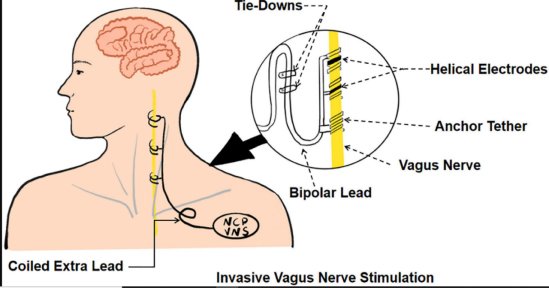 Figure 7. Invasive Vagus Nerve Stimulation. Overview of Vagus Nerve Stimulation. The Mayo Clinic. https://www.mayoclinic.org/tests-procedures/vagus-nerve-stimulation/about/pac-20384565. Published on April 18, 2023. Accessed on December 15th, 2023.
The two forms of non-invasive electrical VNS include taVNS (transcutaneous auricular vagus nerve stimulation) and ctVNS (cervical transcutaneous vagus nerve stimulation). In taVNS, an electrode is placed on the ear to stimulate the vagus nerve, and in ctVNS, the electrode is placed on the neck23. Benefits of these treatments include the following24:
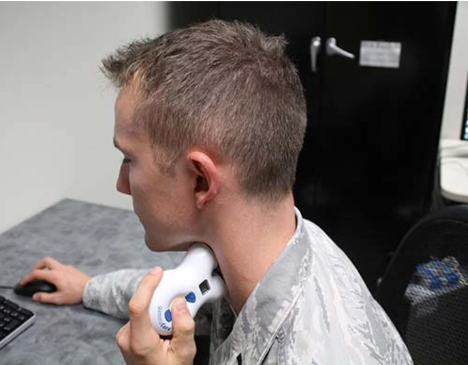 Figure 8. An airmen demonstrating the use of the gammaCore ctVNS device. Image from McIntire et al. Cervical transcutaneous vagal nerve stimulation (ctVNS) improves human cognitive performance under sleep deprivation and stress. Communications Biology. https://www.nature.com/articles/s42003-021-02145-7. Published June 10, 2021. Accessed December 16th, 2023.
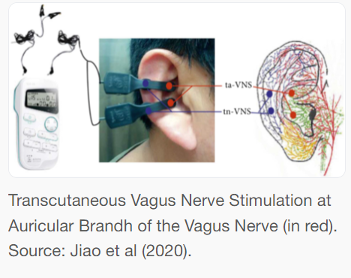 Figure 9. Transcutaneous Vagus Nerve Stimulation at Auricular Branch. Jiao et al. Effect of transcutaneous vagus nerve stimulation at auricular concha for insomnia: a randomized clinical trial. Evidence-based Complementary and Alternative Medicine. https://www.hindawi.com/journals/ecam/2020/6049891/. Published 2020. Accessed December 17th, 2023.
Access to these treatments is through a medical professional, but the good news is that there are other non-invasive ways to increase vagal tone.
There are different ways we can activate our parasympathetic Nervous System to increase which over time can improve vagal tone27. You can find a plethora of information online about this, but these methods are not as well studied as electrical vagus nerve stimulation. These methods include deep and slow breathing, meditation, gargling, singing/chanting, cold exposure, probiotics, omega-3 fatty acids, massages, exercise and socializing. Just because these methods are not as well studied does not mean they are not effective – it just means it would be helpful to have more clarity which is the purpose of continuing research.
Let’s take a closer look at these interventions:
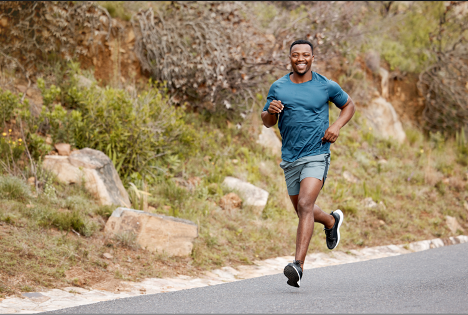
Exercise is one of the best lifestyle choices people can adopt that comes with many benefits beyond improving vagal tone, and the good news is that there are many smaller studies showing that exercise improves vagal tone28. Even light exercise can improve vagal tone in some, though depending on the condition being studied the intensity of the exercise may need to be higher to see improvement to vagal tone.
It is possible though to decrease HRV if exercise is too intense without enough recovery time, so this is something to keep in mind29.
Exercise comes with a plethora of benefits beyond vagal tone – it is the #1 thing you can do prevent cognitive decline in older age! Exercise is also associated with increased neuroplasticity and improved cognitive functioning for people of many different backgrounds and mental health conditions. Exercise helps lower inflammation in the brain, helps promote Brain-derived neurotrophic factor (BDNF) and improves oxygenation to the brain – all of these are biological mechanisms for how exercise is so effective in protecting your brain. It is also obvious to many of us that exercise comes with many physical health benefits beyond the brain.
The vagus nerve helps to control our breathing. Most people breathe 10-14 breaths/minute. Slow deep breathing of 6 breaths/minute helps to stimulate the vagus nerve30. One way to think about this is to make your exhalation longer than your inhalation, because when we exhale our heart rate decreases and this stimulates our parasympathetic nervous system (vagus nerve). There are various studies looking at different slow breathing techniques, but there is a concordance that most of these techniques increase HRV, decrease stress and anxiety, and are associated with other benefits known to occur with improved vagal tone.
Singing, chanting and humming are all ways to increase vagal tone – but the method by which this works is likely by increasing diaphragmatic breathing, similar to deep breathing techniques. The vagus nerve is connected to the vocal cords and muscles at the back of the throat as an interesting note but this writer found limited data about this specific approach to vagus nerve stimulation.
In contrast, there is little research to support “vagus nerve tapping”, gargling or laughing as an effective way to increase tone.

Meditation actives the vagus nerve and can increase vagal tone. Yoga as a meditative practice that incorporates deep breathing is an excellent way to combine both deep breathing and meditation to stimulate your vagus nerve. Just how does meditation stimulate the vagus nerve – one may ask? Well, it is true that many meditation practices incorporate deep breathing and this may be the mediating factor but studies like this one referenced here have shown that there are mind meditations that do not incorporate deep breathing that still result in improved autonomic balance due to vagal nerve stimulation31.
Cold exposure activates the vagus nerve and cholinergic neurons along the vagus nerve pathway, which ultimately slows the heart rate and increases blood flow to the brain. The popular representation of this are the cold water bath plunges athletes have been doing in recent years to improve heart rate variability (HRV) and improve muscle recover, which is supported by research32. The typical cold water bath plunge is around 2 minutes, but research is still working out specifics like how cold the water needs to be, how long you do the immersion and how often in frequency you should do it. Coldwater immersion though is not the only kind of cold exposure that has been studied – cold exposure on the neck by a wearable device was studied in a Randomized Controlled Trial (RCT) that showed benefit in healthy participants as a way to activate vagal tone and lower stress33. Other studies look at cold face exposure to achieve the same effects34 (https://www.ncbi.nlm.nih.gov/pmc/articles/PMC9649023/ ).
If cold exposure is something you are willing to try, you can start off by taking a short cold shower first, for a couple of minutes, and build your way up to a cold water immersion bath. However, given studies showing a vagal response to cold face exposure or neck exposure, a cold water shower for a few minutes may do the trick.
The kind of massage to increase vagal tone is specifically a vagus nerve message, which is basically massaging the body applying light to medium pressure on the body near the vagus nerve – such as at the base of the skull or near the carotid artery on the neck. Both of these massages have been shown to increase HRV and decrease perceived stress. The carotid sinus massage (CNS) is used in emergency settings to slow a rapid heart rate or improve abnormal heart rhythm but does come with risks and should not be used for people with diseased carotid arteries or stroke.
There have been references throughout this blog about how the vagus nerve is the gut-brain axis and helps modulate our endocrine and immune systems via the gut-brain axis. In regards to diet, things that are good for the brain and gut are generally good for the vagus nerve. This is because things that increase inflammation tend to decrease gut health which then puts more stress on the gut-brain axis.
Probiotics can help improve gut bacteria, thus healing the gut and strengthening the gut-brain axis. A meta-analysis conducted supports the vagus nerve as a possible mediating pathway for the positive effects seen in studies so far35.
Omega-3 fatty acids (fish oil) has been shown in research to improve heart-rate variability via increased vagal tone36. Fish oil’s known anti-arrhythmic effects may in fact be through this vagal nerve mechanism.
Socializing/laughing reduces the stress hormone cortisol and can increase vagal activity/tone37.
Wait – Socializing is a way to increase vagal tone and it is also something that is easier for us to do when we have higher resting vagal tone?:
Yes! This is an example in nature of a positive feedback loop. Do you think nature is trying to tell us something? Remember how according to Polyvagal theory the Parasympathetic Nervous System, specifically the ventral vagal portion of the PNS, communicates safety which allows us to, in a relaxed state, be open to connecting with others? And that this occurs alongside homeostasis where our body is primed to restore homeostasis and support growth? Could it be that seeking quality community is one of the most powerful things we can do for our overall health?
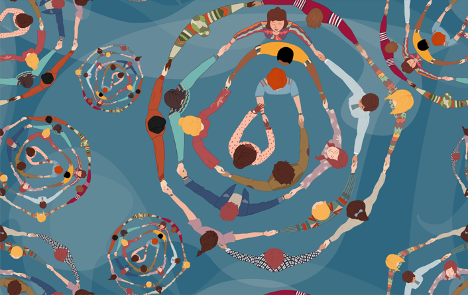
Yes. When we perceive we are in a safe environment, we feel more relaxed and can engage more easily with others. If we are experiencing increased stress and want to counter the “fight or flight”, being with and in quality community is a powerful way to help reset ourselves to get back to that feeling of safety, less stress, higher vagal tone, greater resiliency. It is specifically, long-lasting and warm relationships with others where there is authenticity, vulnerability and joy that is shared, where these benefits are seen.
It may seem as you are reading this, that things are so interconnected between our body and mind. That is because it is. The #1 predictor of longevity of life and quality of life is having quality social contacts38 (https://www.mckinsey.com/featured-insights/mckinsey-on-books/author-talks-the-worlds-longest-study-of-adult-development-finds-the-key-to-happy-living ) according to the Harvard Study of Adult Development, a landmark study. Our mind and body are programmed to prefer a homeostasis where we naturally want to connect with others in community. Isn’t that beautiful?
Stay Tuned….
Stay tuned for more topics, more insights, on Polyvagal Theory and the Power of Community.
1 Golia et al. Interplay between inflammation and neural plasticity: Both immune activation and suppression impair LTP and BDNF expression. Brain, Behavior and Immunity. 2019; 81: 484-494
(https://www.sciencedirect.com/science/article/abs/pii/S0889159118312388?via%3Dihub)
2 Mayo Clinic Staff. Chronic stress puts your health at risk. Mayo Clinic. August 1st, 2023. Accessed October 6th, 2023. (https://www.mayoclinic.org/healthy-lifestyle/stress-management/in-depth/stress/art-20046037)
3 Tindle, J., Tadi, P. Neuroanatomy, parasympathetic nervous system. StatPearls Publishing, LLC. 2023. (https://www.ncbi.nlm.nih.gov/books/NBK553141/#:~:text=The%20parasympathetic%20nervous%20system%20predominates,digestion%20and%20urination.%5B1%5D)
4 Breit et al. Vagus nerve as modulator of the gut-brain axis in psychiatric and inflammatory disorders. Frontiers in Psychiatry. 2018; 9:44. (https://www.ncbi.nlm.nih.gov/pmc/articles/PMC5859128/)
5 Arneth, B. Gut-brain axis biochemical signaling from the gastrointestinal tract to the central nervous system: gut dysbiosis and altered brain function. Postgraduate Medical Journal. 2018; 94 (1114) 446-452. (https://pubmed.ncbi.nlm.nih.gov/30026389/)
6 Jacobson, A. The intestinal neuro-immune axis: crosstalk between neurons, immune cells, and microbes. Mucosal Immunology. 2021; 3: 555-565. (https://pubmed.ncbi.nlm.nih.gov/33542493/)
7 Rigoni, D. The role of baseline vagal tone in dealing with a stressor during face to face and computer-based social interactions. Frontiers in Psychology. 2017; 8: 1986. (https://www.ncbi.nlm.nih.gov/pmc/articles/PMC5712415/)
8 Porges, S. Polyvagal theory: a science of safety. Front. Integr. Neurosci. 2022; 16. (https://www.frontiersin.org/articles/10.3389/fnint.2022.871227/full)
9 Porges, S. Polyvagal theory: a science of safety. Front. Integr. Neurosci. 2022; 16. (https://www.frontiersin.org/articles/10.3389/fnint.2022.871227/full)
10 Porges, S. The vagal paradox: a polyvagal solution. Comprehensive Psychoneuroendocrinology. 2023; 16. (https://www.sciencedirect.com/science/article/pii/S2666497623000346#:~:text=Convergent%20patterns%20of%20both%20positive,regulation%20of%20the%20heart%20)
11 Kim, H-G et al. Stress and heart rate variability: a meta-analysis and review of the literature. Psychiatry Investigation. 2018; 15(3): 235-245. (https://psychiatryinvestigation.org/journal/view.php?doi=10.30773/pi.2017.08.17)
12 Walker, O. Heart rate variability. Science for Sport Internet. September 15th, 2023. Accessed October 7th, 2023. (https://www.scienceforsport.com/heart-rate-variability-hrv/#:~:text=HRV%20appears%20to%20correlate%20with,appear%20to%20reliably%20reflect%20overreaching.&text=Athletes%20with%20higher%20stress%20levels,than%20pre%2Dplanned%20training%20programmes
13 Castro-Diehl, C. et al. Sleep duration and quality in relation to autonomic nervous system measures: the multi-ethnic study of atherosclerosis (MESA). Sleep. 2016; 39(11): 1927-1940. (https://www.ncbi.nlm.nih.gov/pmc/articles/PMC5070747/)
14 Arneth, B. Gut-brain axis biochemical signaling from the gastrointestinal tract to the central nervous system: gut dysbiosis and altered brain function. Postgraduate Medical Journal. 2018; 94 (1114) 446-452. (https://pubmed.ncbi.nlm.nih.gov/30026389/)
15 Sessa, F. et al. Heart rate variability as predictive factor for sudden cardiac death. Aging. 2018; 10(2): 166-177. (https://pubmed.ncbi.nlm.nih.gov/29476045/)
16 Pellissier, S. et al. Relationship between vagal tone, cortisol, TNF-alpha, epinephrine and negative effects in Crohn’s disease and irritable bowel syndrome. PLoS One. 2014; 9(9). (https://pubmed.ncbi.nlm.nih.gov/25207649/)
17 Lotufo, P. et al. A systematic review and meta-analysis of heart rate variability in epilepsy and antiepileptic drugs. Epilepsia. 2012; 53(2): 272-282. (https://pubmed.ncbi.nlm.nih.gov/22221253/)
18 Li, Y. et al. Association between heart rate variability and Parkinson’s disease: a meta-analysis. Curr Pharm Des. 2021; 27(17): 2056-2067. (https://pubmed.ncbi.nlm.nih.gov/32888281/)
19 Martins, D. et al. The role of the vagus nerve in fibromyalgia syndrome. Neurosci Biobehav Rev. 2021; 131: 1136-1149. (https://pubmed.ncbi.nlm.nih.gov/34710514/)
20 Yuan, H., Silberstein, S. Vagus nerve and vagus nerve stimulation, a comprehensive review: part II. Headache. 2016; 56(2): 259-266. (https://pubmed.ncbi.nlm.nih.gov/26381725/)
21 Mandalaneni, K., Rayi, A. Vagus nerve stimulator. StatPearls Publishing; 2023. (https://pubmed.ncbi.nlm.nih.gov/32965846/)
22 Hilz, M. Transcutaneous vagus nerve stimulation – a brief introduction and overview. Auton Neurosci. 2022; 243. (https://pubmed.ncbi.nlm.nih.gov/36201901/)
23 Hilz, M. Transcutaneous vagus nerve stimulation – a brief introduction and overview. Auton Neurosci. 2022; 243. (https://pubmed.ncbi.nlm.nih.gov/36201901/)
24 Verma et al. Auricular vagus neuromodulation – a systematic review on quality of evidence and clinical effects. Front Neurosci. 2021; 15:664-740. (https://pubmed.ncbi.nlm.nih.gov/33994937/)
25 Wu. C. et al. Transcutaneous auricular vagus nerve stimulation in treating major depressive disorder: a systematic review and meta-analysis. Medicine (Baltimore). 2018; 97(52). (https://pubmed.ncbi.nlm.nih.gov/30593183/)
26 Lai, Y-H et al. Cervical noninvasive vagus nerve stimulation for migraine and cluster headache: a systematic review and meta-analysis. Neuromodulation. 2020; 23(6): 721-731. (https://pubmed.ncbi.nlm.nih.gov/32166843/)
27 Fallis, J. How to stimulate your vagus nerve for better mental health. Sourced from Optimal Living Dynamics. January 21 2017. Accessed June 4, 2024. (https://www.optimallivingdynamics.com/blog/how-to-stimulate-your-vagus-nerve-for-better-mental-health-brain-vns-ways-treatment-activate-natural-foods-depression-anxiety-stress-heart-rate-variability-yoga-massage-vagal-tone-dysfunction)
28 Routledge, F. et al. Improvements in heart rate variability with exercise therapy. Can J Cardiol. 2010; 26(6): 303-312. (https://pubmed.ncbi.nlm.nih.gov/20548976/)
29 Walker, O. Heart rate variability. Science for Sport Internet. September 15th, 2023. Accessed October 7th, 2023. (https://www.scienceforsport.com/heart-rate-variability-hrv/#:~:text=HRV%20appears%20to%20correlate%20with,appear%20to%20reliably%20reflect%20overreaching.&text=Athletes%20with%20higher%20stress%20levels,than%20pre%2Dplanned%20training%20programmes)
30 Sevoz-Couche, C., Laborde, S. Heart rate variability and slow-paced breathing: when coherence meets resonance. Neurosci Biobehav Rev. 2022; 135:104576. (https://pubmed.ncbi.nlm.nih.gov/35167847/)
31 Blasé, K., Van Waning, A. Heart rate variability, cortisol and attention focus during shamatha quiescence meditation. Appl Psychophysiol Biofeedback. 2019; 44(4):331-342. (https://pubmed.ncbi.nlm.nih.gov/31485894/)
32 Buchheit, M. et al. Effect of cold water immersion on postexercise parasympathetic activation. American Journal of Physiology. 2009. (https://journals.physiology.org/doi/full/10.1152/ajpheart.01017.2008)
33 Jungmann, M. et al. Effects of cold stimulation on cardiac-vagal activation in healthy participants: randomized controlled trial. JMIR Form Res. 2018. (https://www.ncbi.nlm.nih.gov/pmc/articles/PMC6334714/)
34 Richer, R. et al. Vagus activation by cold face test reduces acute psychosocial stress responses. Sci Rep. 2022; 12:19270. (https://www.ncbi.nlm.nih.gov/pmc/articles/PMC9649023/)
35 Wang, H. et al. Effect of probiotics on central nervous system functions in animals and humans: a systematic review. J Neurogastroenterol Motil. 2016; 22(4):589-605. (https://www.ncbi.nlm.nih.gov/pmc/articles/PMC5056568/)
36 Xin, W. et al. Short-term effects of fish-oil supplementation on heart rate variability in humans: a meta-analysis of randomized controlled trials. Am J Clin Nutr. 2013; 97(5):926-935. (https://pubmed.ncbi.nlm.nih.gov/23515005/)
37 Fujiwara, Y., Okamura, H. Hearing laughter improves the recovery process of the autonomic nervous system after a stress-loading task: a randomized controlled trial. Biopsychosoc Med. 2018; 12:22. (https://www.ncbi.nlm.nih.gov/pmc/articles/PMC6302464/)
38 Waldinger, R. Author talks: the world’s longest study of adult development finds the key to happy living. McKinsey & Company website. Updated February 16, 2023. Accessed October 12th, 2023. (https://www.mckinsey.com/featured-insights/mckinsey-on-books/author-talks-the-worlds-longest-study-of-adult-development-finds-the-key-to-happy-living)
© 2024 Oasis Mental Wellness. All Rights Reserved | Privacy Policy | Site Designed & Maintained by MRN Web Designs